Kidneys are among the most important organs in the human body, yet many people rarely think about them until a serious problem occurs. These small, bean-shaped organs play a vital role in filtering waste products, balancing body fluids, controlling blood pressure, and producing essential hormones that help maintain overall health.
However, kidney disease often develops quietly and gradually. In many cases, people may not notice symptoms until the condition has progressed significantly. This is why recognizing the early signs of kidney disease is extremely important. Detecting problems early can help prevent severe complications such as chronic kidney disease (CKD) or kidney failure.
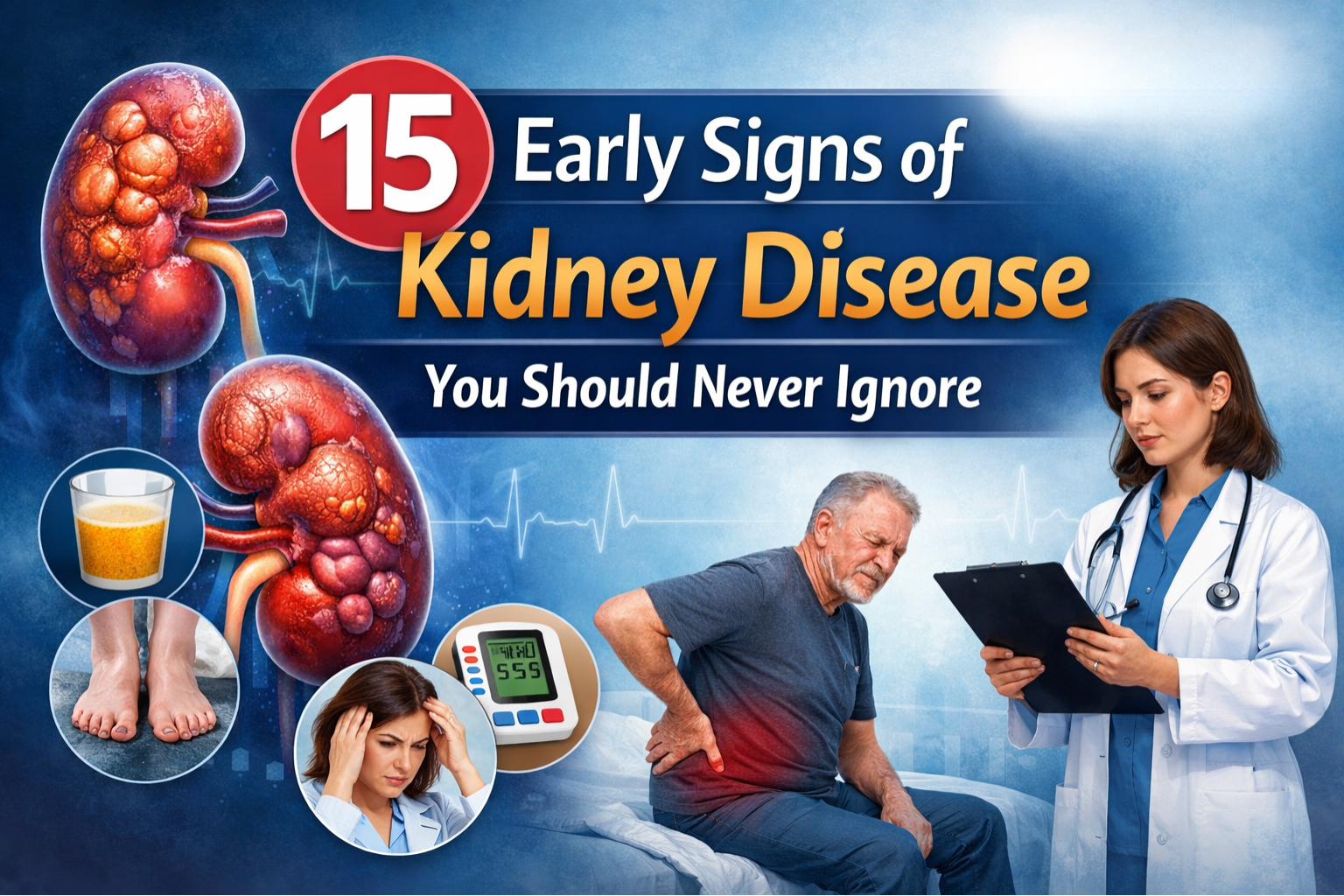
In this article, we will explore the 15 early signs of kidney disease you should never ignore, understand why early detection matters, and learn how you can protect your kidney health.
What is Kidney Disease?
Kidney disease refers to a condition in which the kidneys lose their ability to function properly. Healthy kidneys filter toxins and excess fluids from the blood, which are then removed from the body through urine. When the kidneys become damaged, waste products and fluids can build up in the body, leading to various health issues.
There are two major types of kidney problems:
Acute Kidney Injury (AKI)
This occurs suddenly and is often caused by severe infections, dehydration, certain medications, or trauma. In many cases, acute kidney injury can be reversible if treated promptly.
Chronic Kidney Disease (CKD)
Chronic kidney disease develops gradually over time and can lead to permanent kidney damage. Conditions such as diabetes, high blood pressure, and genetic disorders are common causes of CKD. If left untreated, chronic kidney disease can progress to kidney failure, a stage where the kidneys stop working effectively and may require dialysis or a kidney transplant.
Why Early Detection of Kidney Disease is Important
Kidney disease is often called a "silent disease" because symptoms may not appear until significant damage has already occurred. Many individuals live with mild kidney dysfunction without realizing it.
Recognizing the warning signs of kidney disease early can make a huge difference in treatment outcomes. Early diagnosis allows doctors to manage the condition through medications, lifestyle changes, and dietary adjustments, preventing further damage.
Early detection can help:
- Slow down the progression of kidney damage
- Reduce the risk of kidney failure
- Prevent complications such as heart disease and anemia
- Improve overall quality of life
For individuals experiencing symptoms or those at higher risk, consulting specialists at a trusted healthcare facility like Pulse Multispeciality Hospital can help ensure early diagnosis and proper kidney care.
15 Early Signs of Kidney Disease You Should Never Ignore
Understanding the symptoms of kidney disease can help you seek medical care at the right time. Below are some of the most common warning signs.
1. Changes in Urination
Changes in urination are often the earliest warning sign of kidney disease. You may notice frequent urination, especially at night, or reduced urine output. Urine may appear darker, foamy, or cloudy. Since kidneys produce urine by filtering waste, unusual changes can indicate that kidney function is starting to decline gradually.
2. Foamy or Bubbly Urine
Foamy or bubbly urine may indicate that protein is leaking into the urine, a condition called proteinuria. Healthy kidneys usually keep protein in the bloodstream, but damaged kidneys allow it to pass into urine. Persistent foam in urine should not be ignored and may signal early kidney disease or kidney damage.
3. Blood in the Urine
Blood in the urine, also known as hematuria, can be a warning sign of kidney disease or other urinary tract problems. It may appear pink, red, or brown. Possible causes include kidney infections, kidney stones, or damaged kidney filters. Any presence of blood in urine should always be evaluated by a doctor.
4. Persistent Fatigue and Weakness
Constant tiredness and weakness can occur when kidneys are not working properly. When kidneys fail to filter waste effectively, toxins build up in the bloodstream, causing fatigue. Kidney disease may also lead to anemia, reducing oxygen supply to body tissues and making you feel exhausted even after adequate rest.
5. Swelling in Feet, Ankles, or Hands
Kidney problems can cause fluid retention in the body, leading to swelling in the feet, ankles, legs, or hands. When kidneys cannot remove excess sodium and fluids efficiently, they accumulate in tissues. Persistent swelling may indicate reduced kidney function and should be checked by a healthcare professional.
6. Puffiness Around the Eyes
Puffiness or swelling around the eyes, especially in the morning, may indicate kidney damage. This occurs when protein leaks into the urine, causing fluid buildup in surrounding tissues. While occasional puffiness can be normal, consistent swelling around the eyes may be an early sign of kidney disease.
7. Dry and Itchy Skin
Dry and itchy skin may result from mineral and nutrient imbalances caused by kidney disease. When kidneys fail to remove toxins effectively, waste products accumulate in the blood, affecting skin health. Persistent itching and dryness may indicate advanced kidney dysfunction and should not be ignored.
8. Persistent Back Pain
Pain near the lower back or side of the body may sometimes indicate kidney problems. Kidney pain is usually felt just below the rib cage and can be sharp or dull. Conditions like kidney infections, stones, or cysts may cause discomfort in this area and require medical evaluation.
9. Loss of Appetite
Kidney disease can cause a buildup of waste products in the body, which may lead to nausea and reduced appetite. Many people with early kidney problems notice they feel full quickly or lose interest in food. Over time, this may contribute to unintentional weight loss and weakness.
10. Nausea or Vomiting
Nausea and vomiting are common symptoms when toxins accumulate in the bloodstream due to poor kidney function. This condition can disrupt the digestive system and create a persistent feeling of sickness. If nausea occurs frequently along with other symptoms, it may indicate worsening kidney health.
11. Difficulty Concentrating
Kidneys help maintain proper blood chemistry and oxygen levels in the body. When kidney function declines, toxins may affect brain performance, leading to difficulty concentrating or mental fog. People with kidney disease may experience memory issues, confusion, or trouble focusing on daily tasks.
12. Muscle Cramps
Frequent muscle cramps can occur when kidney disease causes electrolyte imbalances in the body. Kidneys regulate minerals like calcium, potassium, and sodium. When these minerals become unbalanced, muscles may contract unexpectedly, causing painful cramps, especially in the legs or during nighttime.
13. High Blood Pressure
High blood pressure is both a cause and a symptom of kidney disease. Damaged kidneys struggle to regulate blood pressure effectively, which can lead to hypertension. Over time, uncontrolled high blood pressure can further damage kidney tissues, creating a harmful cycle that worsens kidney function.
14. Shortness of Breath
Shortness of breath may occur when kidney disease causes fluid buildup in the lungs or when anemia reduces oxygen levels in the blood. This can make breathing difficult, especially during physical activity. If breathlessness occurs along with swelling or fatigue, it could indicate kidney problems.
15. Metallic Taste in the Mouth
A metallic taste in the mouth may develop when waste products accumulate in the bloodstream due to kidney dysfunction. This condition, called uremia, can alter taste perception and cause bad breath. Many people with kidney disease also experience reduced appetite because food tastes unpleasant or different.
Who is at Higher Risk of Kidney Disease?
Certain factors increase the likelihood of developing kidney disease. Understanding these risk factors can help individuals take preventive measures.
Common risk factors include:
- Diabetes
- High blood pressure
- Family history of kidney disease
- Obesity
- Smoking
- Aging
- Long-term use of certain medications
People with these risk factors should undergo regular health checkups to monitor kidney function.
When Should You See a Doctor?
If you notice any of the symptoms mentioned above, it is important to consult a doctor as soon as possible.
You should seek medical attention if you experience:
- Blood in urine
- Persistent swelling in the body
- Severe fatigue or weakness
- Difficulty breathing
- Significant changes in urination
Early medical intervention can prevent the progression of kidney disease and improve treatment outcomes. Hospitals with specialized diagnostic facilities, such as Pulse Multispeciality Hospital, can provide timely evaluation and appropriate treatment for kidney-related conditions.
How Doctors Diagnose Kidney Disease
Doctors use several tests to evaluate kidney health and detect kidney disease.
| Diagnostic Test | Purpose |
|---|---|
| Blood Tests | Measure creatinine levels, which indicate how well the kidneys are filtering waste. |
| Glomerular Filtration Rate (GFR) | Estimates how efficiently the kidneys filter blood. |
| Urine Tests | Urine analysis helps detect protein, blood, or other abnormalities. |
| Imaging Tests | Ultrasound or CT scans may be used to examine kidney structure and detect abnormalities. |
Early diagnosis allows doctors to develop a treatment plan that protects kidney function.
Tips to Keep Your Kidneys Healthy
Maintaining healthy kidneys is essential for overall well-being. Simple lifestyle changes can significantly reduce the risk of kidney disease.
Stay Hydrated
Drinking enough water helps your kidneys remove toxins and excess waste from the body. Proper hydration also supports healthy urine flow and reduces the risk of kidney stones and urinary infections.
Control Blood Pressure
High blood pressure can damage kidney blood vessels over time. Regularly monitoring your blood pressure, reducing salt intake, exercising, and following medical advice can help protect kidney function and prevent kidney disease.
Manage Diabetes
Uncontrolled blood sugar is one of the leading causes of kidney damage. Maintaining healthy glucose levels through diet, medication, exercise, and regular medical checkups helps reduce the risk of chronic kidney disease.
Eat a Healthy Diet
A balanced diet rich in fruits, vegetables, whole grains, and lean proteins supports overall kidney health. Limiting processed foods, excess salt, and sugary items helps maintain proper kidney function.
Exercise Regularly
Regular physical activity improves blood circulation, helps control weight, and supports healthy blood pressure levels. Activities such as walking, cycling, or yoga can help reduce the risk of kidney-related health problems.
Limit Salt Intake
Consuming too much salt can increase blood pressure and place additional stress on the kidneys. Reducing processed foods and using herbs or spices instead of salt can help maintain kidney health.
Avoid Excessive Painkillers
Frequent use of certain painkillers, especially non-steroidal anti-inflammatory drugs (NSAIDs), can damage kidney tissues over time. Always follow medical advice and avoid unnecessary medication to protect your kidneys.
Conclusion
Kidney disease is a serious health condition that often develops silently. Many people may not notice symptoms until significant damage has already occurred.
Understanding the early signs of kidney disease can help individuals seek medical care before the condition progresses to kidney failure. Symptoms such as fatigue, swelling, changes in urination, and persistent nausea should never be ignored.
Taking proactive steps toward kidney health, including regular medical checkups and healthy lifestyle habits, can significantly reduce the risk of kidney complications. If you or someone you know experiences any of the symptoms discussed in this article, consulting a healthcare professional at Pulse Multispeciality Hospital can make a crucial difference in protecting long-term kidney health.