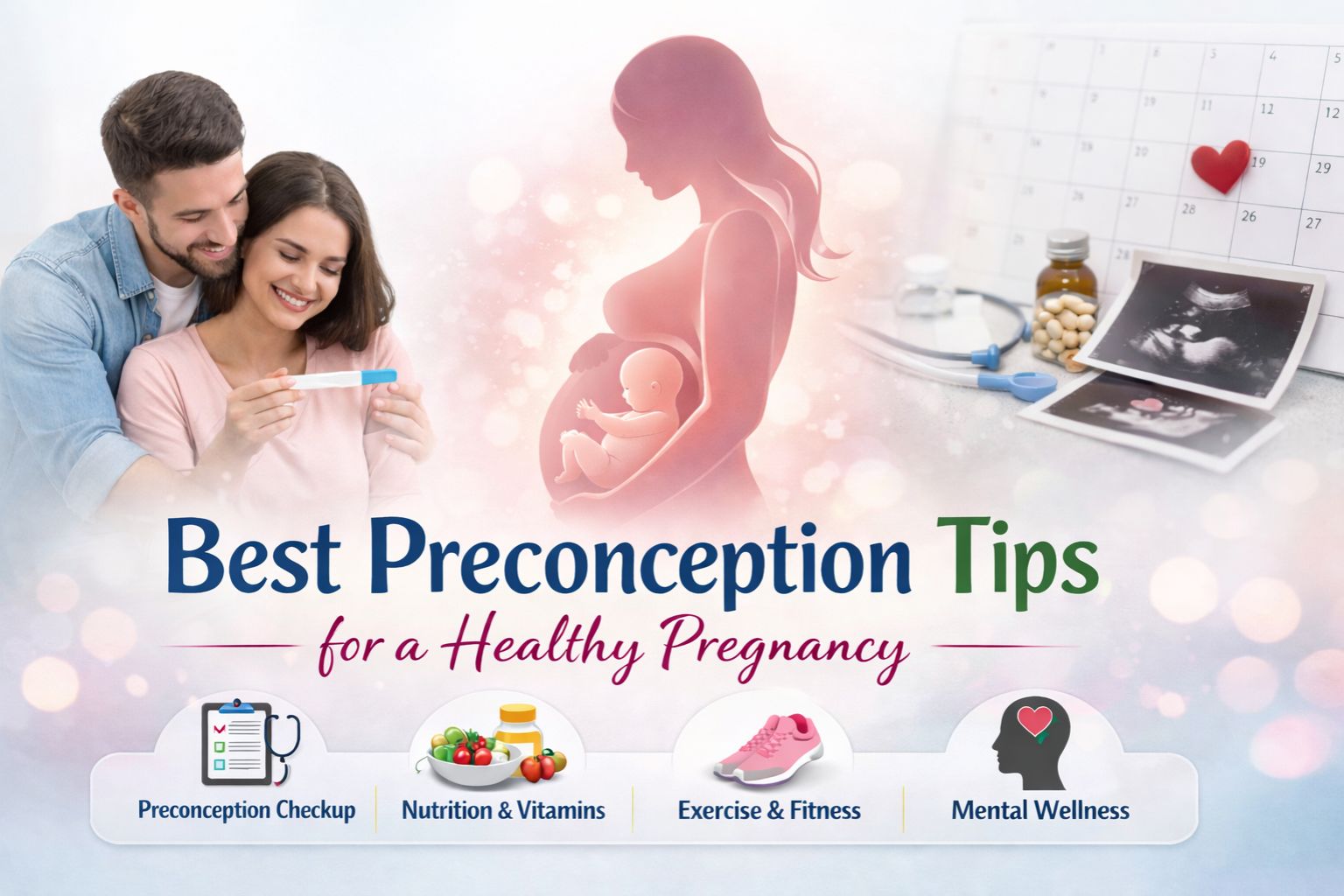
Planning for a baby is one of life’s most exciting journeys. But did you know that the months before conception are just as critical as pregnancy itself? Preconception care is about preparing your body, mind, and lifestyle for a healthy pregnancy.
Many couples focus only on conception, but preparing ahead can:
- Increase fertility and the chances of conception
- Reduce the risk of birth defects
- Support proper fetal development
- Lower the likelihood of pregnancy complications
At Pulse Multispeciality Hospital, we often see couples who underestimate the power of preconception care. Taking small steps now can make a big difference later. This guide will cover everything from medical tips to lifestyle changes that ensure both you and your baby start on the healthiest path possible.
What Is Preconception Care?
Preconception care is the proactive steps taken before conception. It involves more than just taking vitamins—it’s about evaluating your health, making lifestyle adjustments, and addressing medical issues that could affect fertility or pregnancy outcomes.
Key elements of preconception care:
- Medical evaluation: Screening for chronic conditions like diabetes, thyroid issues, high blood pressure, or hormonal imbalances
- Nutrition and supplementation: Providing the body with essential vitamins, minerals, and nutrients for conception
- Lifestyle adjustments: Eliminating harmful habits such as smoking, alcohol consumption, and excessive caffeine
- Mental and emotional well-being: Managing stress, improving sleep, and creating a positive mindset
Experts recommend starting preconception care 3–6 months before trying to conceive, allowing your body and mind to adapt and respond to these positive changes.
Why Preconception Health Matters
Good preconception health not only improves fertility but also enhances the long-term health of your baby:
1. Reduces Birth Defects
Folic acid, iron, and other vitamins reduce the risk of neural tube defects and support early fetal growth. Adequate calcium, iodine, and vitamin D also help the baby develop strong bones, teeth, and a healthy nervous system.
2. Enhances Fertility
Healthy lifestyle choices, balanced nutrition, and stress management improve both egg and sperm quality, increasing the likelihood of conception. Even minor improvements in diet, weight, or exercise can make a significant difference.
3. Promotes Healthy Fetal Growth
Your body provides the environment for your baby’s development. Proper nutrition, vitamins, and overall wellness ensure the baby receives the nutrients it needs from the earliest stages.
4. Reduces Pregnancy Complications
Preconception care reduces risks of:
- Miscarriage
- Gestational diabetes
- Pre-eclampsia or high blood pressure
- Preterm labor
Top 10 Preconception Tips for a Healthy Pregnancy
Planning a healthy pregnancy starts before conception. Making small but intentional changes in your lifestyle, diet, and habits can significantly improve your chances of conceiving and ensure the baby’s optimal growth. Here are the top preconception tips:
1. Schedule a Preconception Checkup
Before trying to conceive, it’s essential to meet with a healthcare provider. At a preconception consultation, your doctor can:
- Review your personal and family medical history to identify potential risks
- Conduct blood tests, hormonal evaluations, and screenings for infections
- Update vaccinations to prevent infections that could harm pregnancy
- Adjust any medications that may interfere with conception
- Provide guidance for managing chronic conditions like diabetes, thyroid disorders, or high blood pressure
A checkup is also an opportunity to discuss fertility planning. If there are any underlying issues affecting conception, addressing them early gives you a head start.
2. Start Taking Preconception Vitamins
Vitamins and supplements are a cornerstone of preconception care. Even if your diet is healthy, supplementation ensures your body is ready for pregnancy. Key nutrients include:
- Folic acid (400–800 mcg daily): Reduces the risk of neural tube defects
- Iron: Supports healthy blood and prevents anemia
- Calcium & Vitamin D: Strengthen bones and teeth
- Iodine: Maintains thyroid health, essential for brain development
- Prenatal vitamins: Provide comprehensive support including B-vitamins, zinc, and magnesium
Tip: Start taking vitamins 3–6 months before conception. This gives your body time to build stores of key nutrients and prepare for early pregnancy.
3. Follow a Healthy, Balanced Diet
Nutrition plays a pivotal role in fertility and pregnancy. A nutrient-rich diet not only prepares your body but also supports egg and sperm quality.
Foods to include:
- Fresh fruits and vegetables: Spinach, kale, berries, oranges, and bell peppers for antioxidants
- Lean proteins: Eggs, fish, chicken, legumes, and lentils
- Whole grains: Brown rice, quinoa, oats, and barley for energy and fiber
- Healthy fats: Avocado, nuts, seeds, and olive oil
- Hydration: Aim for 8–10 glasses of water daily
Foods to avoid:
- Processed or sugary foods
- Alcohol and excessive caffeine
- High-mercury fish like shark, king mackerel, or swordfish
Pro tip: Eating colorful meals ensures you get a variety of vitamins and minerals. Incorporate at least 5–7 portions of fruits and vegetables each day, and aim for protein at every meal.
4. Maintain a Healthy Weight
Weight significantly impacts fertility in both men and women. Being overweight or underweight can disrupt ovulation, hormone balance, and sperm quality.
Practical tips:
- Consult your doctor to determine a healthy BMI for conception
- Make gradual lifestyle changes rather than crash diets
- Incorporate exercise and a balanced diet for sustainable results
- Even a 5–10% weight adjustment can improve fertility outcomes
Tip: Focus on long-term habits rather than short-term fixes—this is a lifestyle change, not just a diet plan.
5. Exercise Regularly
Regular physical activity boosts fertility, enhances mood, and prepares the body for the physical demands of pregnancy.
Recommended activities:
- Walking, swimming, or cycling for cardiovascular health
- Yoga or Pilates for flexibility, balance, and stress reduction
- Light strength training for overall muscle tone
Tip: Aim for 30–45 minutes, 4–5 times per week. Avoid extreme or high-intensity workouts that may increase injury risk or stress your body.
6. Track Your Menstrual Cycle & Ovulation
Understanding your menstrual cycle helps identify your fertile window, which is the most likely time to conceive.
Practical tips:
- Use apps or calendars to track your cycles
- Monitor basal body temperature or cervical mucus for ovulation signs
- Track irregularities and discuss them with your doctor if needed
Even simple tracking can improve your chances of conceiving naturally and helps you recognize if there are fertility concerns that require attention.
7. Quit Smoking, Alcohol & Drugs
Lifestyle habits significantly affect fertility.
- Smoking: Reduces egg and sperm quality and increases miscarriage risk
- Alcohol: Can impair fertility and harm early fetal development
- Caffeine: Limit to 1–2 cups per day (under 200 mg)
Tip: Support each other—both partners should adopt healthy habits for the best outcomes.
8. Manage Stress & Mental Health
Stress impacts hormone balance, sleep, and overall fertility. Incorporate stress-relief techniques into your daily routine:
- Meditation, deep breathing, or yoga
- Counseling or therapy for emotional support
- Journaling or mindfulness practices
- Maintain consistent sleep patterns of 7–8 hours per night
Tip: Mental wellness is just as important as physical health. Feeling calm and balanced can improve fertility and overall pregnancy outcomes.
9. Limit Exposure to Environmental Toxins
Chemicals and environmental toxins can affect fertility:
- Avoid pesticides, harsh cleaning products, and plastics containing BPA
- Limit exposure to workplace hazards like extreme heat or chemicals
- Opt for natural or organic household products when possible
Tip: Simple changes like switching to glass containers and ventilation at home can reduce harmful exposure.
10. Include Your Partner in Preconception Planning
A healthy pregnancy is a team effort. Male fertility plays an equally important role:
- Eat a balanced diet rich in antioxidants, vitamins, and minerals
- Stay hydrated and exercise regularly
- Avoid smoking, alcohol, and recreational drugs
- Reduce heat exposure to testicles (avoid hot tubs, laptops on laps)
Encourage open communication about lifestyle changes and support each other for long-term success.
Medical Tests & Vaccinations Before Pregnancy
Recommended tests and screenings:
- Blood tests for anemia, blood type, infections
- Thyroid & diabetes screening
- Genetic carrier screening
- Vaccinations: Rubella, hepatitis B, tetanus
These ensure both partners are healthy before conception.
Common Mistakes to Avoid
- Skipping folic acid or preconception vitamins
- Crash dieting or rapid weight loss/gain
- Ignoring irregular cycles or underlying health issues
- Delaying medical consultation
How Long Should You Prepare Before Getting Pregnant?
Experts suggest 3–6 months of preparation to:
- Allow vitamins and supplements to take effect
- Give time for lifestyle changes to improve fertility
- Detect and manage health issues before conception
Some conditions may require longer preparation.
Preconception Checklist (Quick Summary)
- Schedule a doctor visit
- Take preconception vitamins
- Eat a nutrient-rich diet
- Exercise regularly
- Quit smoking, alcohol, and drugs
- Track ovulation and menstrual cycle
- Reduce stress and improve sleep
- Avoid toxins
- Involve your partner
When to See a Doctor for Preconception Counseling
Seek guidance if you have:
- Irregular menstrual cycles
- History of miscarriage
- Chronic diseases like diabetes or thyroid disorders
- Age above 30–35
- Difficulty conceiving after 6–12 months
FAQs About Preconception Planning
1. What is preconception care and why is it important?
Preconception care means preparing your body before pregnancy to improve fertility and reduce risks like birth defects and complications. It includes medical checkups, nutrition planning, lifestyle changes, and managing health conditions. Starting preconception care at least 3 months before trying boosts your chances of a healthy pregnancy.
2. How much folic acid should I take before pregnancy?
Take a daily supplement with 400–800 mcg of folic acid starting at least three months before conception. This helps reduce the risk of neural tube defects (affecting the baby’s brain and spine) and supports early fetal development.
3. What lifestyle changes improve fertility before pregnancy?
Quit smoking, avoid alcohol and drugs, eat a nutrient-rich diet, and maintain a healthy weight. Controlling chronic conditions like diabetes or thyroid problems and avoiding harmful substances boosts your chances of conceiving and supports a healthier pregnancy.
4. When should I get a preconception checkup?
It’s best to schedule a preconception checkup at least 3 months before trying to conceive. Your doctor can assess your health, recommend supplements, update vaccines, and screen for conditions that might affect pregnancy outcomes.
5. Does diet affect pregnancy planning?
Yes — a balanced preconception diet rich in fruits, vegetables, whole grains, lean proteins, and healthy fats supports fertility and early fetal growth. Staying hydrated and limiting processed foods, excessive caffeine, and high-mercury fish are key steps to optimize preconception nutrition.
Conclusion
Preparing for pregnancy is more than just taking vitamins. It’s about creating the healthiest environment for conception, optimizing fertility, and laying a strong foundation for a smooth pregnancy.
Following these tips, adopting healthy habits, and consulting healthcare professionals like Dr. Ulhas Pote can greatly improve the chances of a safe and joyful pregnancy journey. Couples seeking personalized care can also consult a gynecology hospital in Tathawade PCMC for complete preconception counseling, medical evaluation, and lifestyle guidance. Start preparing today—the little changes you make now will benefit both you and your future child for years to come.